




Every year, December brings the same background noise for us aspiring athletes where training plans get “paused,” and gym memberships get joked about. People talk about January like it’s a reset button, as if fitness, strength, and resilience politely wait until the calendar gives permission.
I used to think that way too. I’d tell myself I deserved a break, that it was fine to switch off mentally, that I’d “get serious again” in the new year. And every January I paid for it. Tight legs, short breath and that heavy feeling when effort comes too soon. I always had the frustrating sense of starting again from behind.
Nice Christmas though!
Somewhere along the way, that mindset shifted. Not because I suddenly became more disciplined I don’t think, I think it was more that I realised something simple: momentum beats motivation, every time. And December, quietly and unglamorously, is where momentum is either protected or lost.
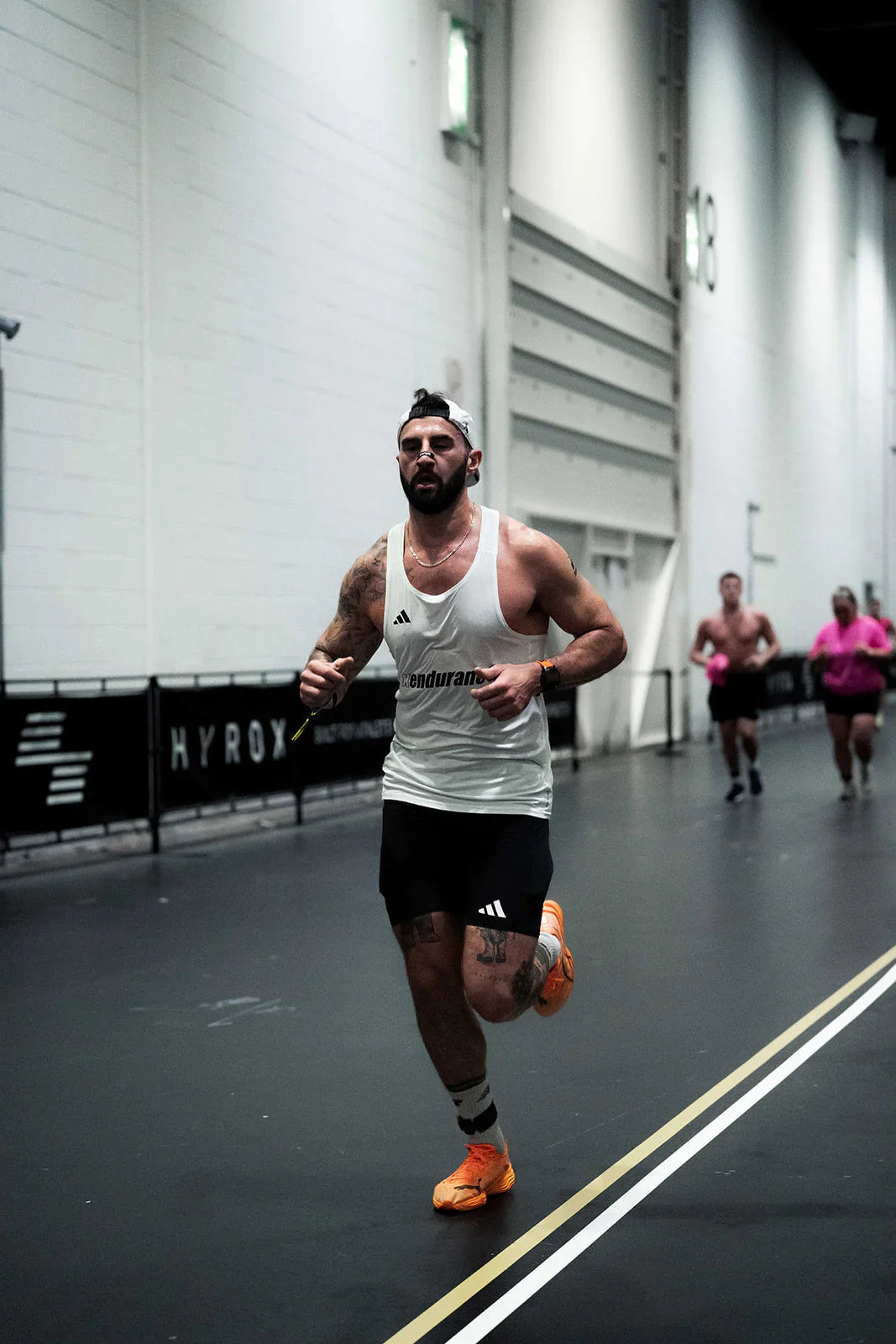
Winter training doesn’t look heroic. It’s darker, colder and much less social. But physiologically, it’s one of the most powerful periods of the year… IF you stay engaged.
Training in colder conditions increases mitochondrial efficiency, which are those tiny energy factories inside your muscle cells. Consistent aerobic work in winter improves oxygen utilisation, durability, and metabolic flexibility. VO₂ adaptations care about consistency, not your IG reels.
Trust me, the athletes who come into January feeling “unexpectedly good” didn’t find motivation on New Year’s Day. They kept a thread running through December. They will have focused on shorter sessions, smarter intensity, less ego and more intent. Ego is the big one here. “I’ll be fine…” he said.
That’s the winter edge. You don’t see it immediately, but you do feel it when the first hard session of January doesn’t feel like a shock to the system.
The Psychological Advantage Nobody Talks About
I’ve come to the conclusion that December is physically disruptive, and it’s mentally noisy. Late nights, social pressure, broken routines, and as a father and a husband, an absolute breathless chase to get everything ready for Christmas Day. The temptation for me previously was to just mentally clock out throughout December, and that’s often been translated into stopping training completely.
That’s where most people lose the edge.
I’ve learned that showing up imperfectly beats waiting for perfect conditions. A 40-minute winter run done consistently is more powerful than the idea of a perfect January block that never quite lands. Momentum is quiet, and it’s built when no one is watching.
Then, Hey Presto, by the time January arrives, your motivation feels effortless because you never let the habit die.
Cold weather adds a layer of stress most athletes underestimate, where your muscles take longer to warm up and your joints feel stiffer. It’s easy to find that your recovery slows if you don’t support it properly, too. Add very limited sunlight into the mix (I’m looking at you, North East England) and you’ve got a recipe for suppressed immunity, low mood, and nagging fatigue.
This is exactly why Omega+D3 becomes non-negotiable in winter. Omega-3 fatty acids support joint health, manage inflammation, and play a role in muscle recovery. Vitamin D, which most of us stop producing naturally when sunlight disappears is crucial for immune function, hormone balance, and neuromuscular performance.
I notice the difference when I stay consistent with it. I get fewer niggles and much better sleep. I find my energy is far more stable as well. In the end, Winter doesn’t feel like something I’m “getting through”.
And when seasonal illness is doing the rounds, Immune Boost becomes part of the daily routine. Not as a panic reaction, but as insurance. Training consistency collapses faster from illness than from missed sessions. Staying healthy is performance work!
Winter Intervals: Shorter, Sharper, Smarter
If you’re like me, Winter training tends to compress, and this is where fatigue builds quickly, especially when muscles are cold and recovery windows are tighter. Acid accumulation rises faster, and sessions can slip from “productive discomfort” into “early shutdown.”
That’s why Lactic Acid Buffer has earned its place by my side during winter blocks. By supporting acid buffering capacity, it helps delay that burn during repeated efforts, allowing you to hold pace, maintain form, and actually complete the work you set out to do.
Here’s my takeaway from lessons learned: Winter training is all about repeatability. One good session doesn’t build fitness but a sequence of them does.
So what is ‘The January Myth?’
“I’ll start again in January” sounds harmless, and it honestly feels reasonable. But physiologically it creates a gap, and gaps are expensive.
Fitness decays faster than we like to admit, especially when you’re getting that touch older. Neuromuscular coordination dulls and tendons are known to decondition. The first few weeks back feel harder than they should because you stopped adapting.
The athletes who move best in January are fitter because they never stopped being athletes. Think about it! Do guitarists play during December? I’d bet they do.
December is all about not switching off.
Focus on quiet confidence, built early
I don’t train through December to prove anything to anyone, I do it to protect what I’ve built and to arrive in January with rhythm instead of rust. Or put another way my wife would appreciate, calm instead of urgency.
There’s something powerful about knowing you didn’t disappear when it got inconvenient. That quiet confidence carries into the new year. While others are negotiating motivation, you’re already moving.
Winter rewards continuity.
And that’s why January is won in December.


Leave a comment
This site is protected by hCaptcha and the hCaptcha Privacy Policy and Terms of Service apply.